
As I have been researching more there are some interesting articles that have come up. Here is one from Michigan Tech University.
“The research on the health impacts of RFR is still inconclusive. But some of the preliminary data gives us reason to be concerned,” said Joshua Pearce, a professor in electrical and materials engineering from Michigan Technological University who led the study, which reviews current data on RFR and engineering solutions for placing towers. “I’m pro-tech and I’m pro-human, so I think there are ways for us to have our cell phones and minimize potential risk without waiting to find out that putting a cell tower on top of a school was a bad idea.”
https://www.mtu.edu/news/2019/11/siting-cell-towers-needs-careful-planning.html
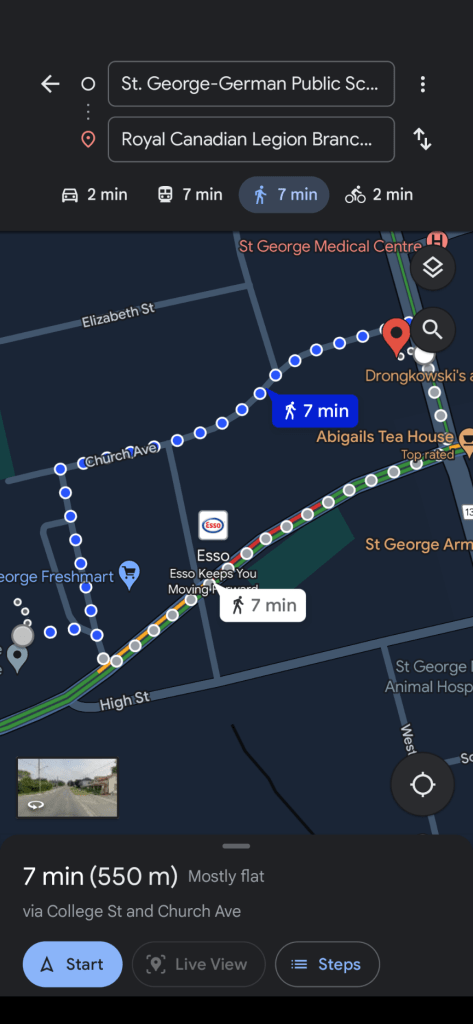
The recommended distance is still far from our school.
Given the current research, cell towers would be cautiously placed 500 meters, or about a third of a mile, away from schools, hospitals and lots of sleeping people in dense neighborhoods or high rises.
https://www.mtu.edu/news/2019/11/siting-cell-towers-needs-careful-planning.html
With 500m the recommended distance from the school and since our housing is not classified as dense then it would be just the school
Later in that article does say the recommended fix would be to use small cell base stations, which is what this shared tower would be.
Pearce says there are other more innovative options, like cell splitting and small cell deployment, that could also decrease RFR exposure. At the end of the day, it comes down to thinking before building.
https://www.mtu.edu/news/2019/11/siting-cell-towers-needs-careful-planning.html
I have asked to see what type of tower the 500m distance should be applied to. Let’s see if there is any answer.
Now to find the Canadian one he is talking about.

 Cell Tower Information in Brant County